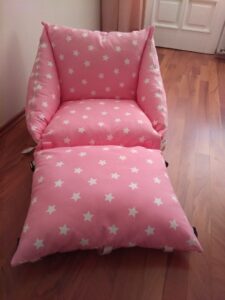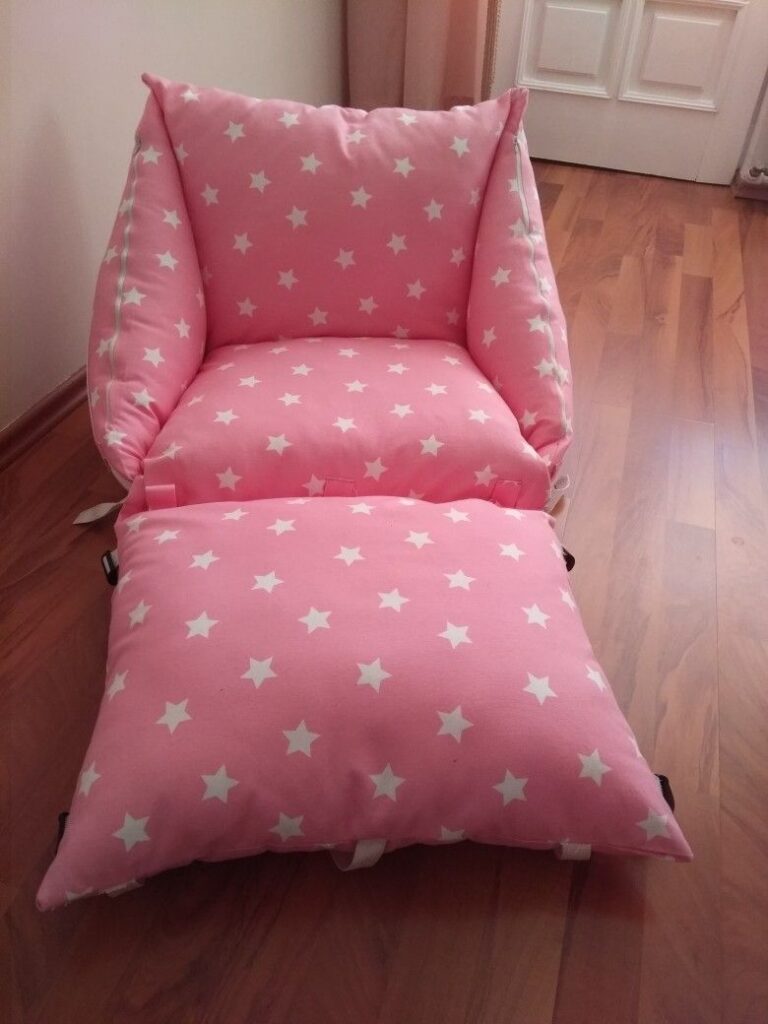
Folding floor armchair with cushion.


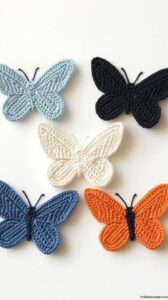
Butterflies in fabric scraps represent the perfect union between creativity, sustainability, and emotional storytelling. This theme has gained strong attention in the world of handmade crafts, quilting, and textile art because it transforms what would otherwise be discarded materials into meaningful and visually striking creations. Fabric scraps, often saved from previous sewing projects, carry textures, colors, and memories. When shaped into butterflies, these remnants gain new life, symbolizing transformation, renewal, and beauty born from simplicity.
The idea of butterflies created from fabric scraps goes far beyond aesthetics. It reflects a conscious approach to crafting, where nothing is wasted and every piece has value. In an era where sustainable practices are increasingly important, this form of textile art resonates deeply with artisans and admirers alike. Butterflies, already rich in symbolic meaning, become even more powerful when formed from reused materials, reinforcing themes of change, hope, and creativity.
Butterflies have long been associated with transformation, freedom, and rebirth. Their life cycle, from caterpillar to winged beauty, mirrors personal growth and emotional renewal. When butterflies are crafted from fabric scraps, this symbolism becomes even more profound. Scraps represent leftovers, fragments, and unfinished stories, while butterflies represent wholeness, movement, and beauty. Together, they tell a story of transformation that feels deeply human.
Fabric scraps often come from different projects, time periods, and purposes. Each piece may carry a memory of a garment, a quilt, or a decorative item. When these scraps are combined to form butterflies, they create a layered narrative. The butterfly becomes a visual metaphor for turning past experiences into something uplifting and meaningful. This is why butterflies in fabric scraps are frequently used in memory quilts, commemorative wall hangings, and emotionally driven textile art.
Color plays a crucial role in conveying symbolism. Bright scraps suggest joy and celebration, while muted tones can express calm and reflection. Floral prints often enhance the natural theme, while geometric patterns bring a modern twist. The variety of fabrics within a single butterfly reinforces the idea that beauty does not come from uniformity, but from diversity and thoughtful composition.
Creating butterflies from fabric scraps allows for a wide range of textile techniques, making this theme accessible to both beginners and experienced artisans. One of the most common methods is appliqué, where butterfly shapes are cut from scraps and stitched onto a base fabric. This technique highlights the individuality of each scrap while allowing the background to frame the overall design.
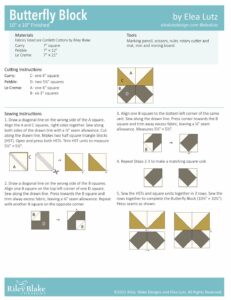
Patchwork piecing is another popular approach. Small fabric pieces are sewn together to form wings, often using symmetrical layouts. Half square triangles, small rectangles, and irregular shapes can all be combined creatively. This method emphasizes structure and balance while still celebrating the randomness of scrap fabrics.
Raw edge techniques are especially loved in scrap butterfly designs. Leaving edges unfinished creates texture and softness, giving the butterflies a slightly organic, artistic appearance. Over time, these edges may fray gently, adding character and depth. For those who prefer a cleaner finish, turned edges or satin stitching provide durability and refinement.
Quilting stitches further enhance the design. Free motion quilting can outline butterfly wings, add decorative details, or create a sense of movement. Straight line quilting offers contrast and structure, helping the butterflies stand out against the background. Each stitch adds to the tactile quality of the piece, reinforcing its handmade nature.
Butterflies in fabric scraps are widely used in decorative textile projects due to their versatility and emotional impact. Quilts featuring scrap butterflies are often cherished as statement pieces. They add color, texture, and storytelling to bedrooms, living spaces, and creative studios. Each butterfly can be different, yet together they form a cohesive and visually engaging composition.
Wall hangings are another popular application. Scrap butterfly designs work beautifully as textile art, allowing artisans to experiment with layout and scale. Some designs feature butterflies arranged in flight patterns, while others focus on repetition or symmetry. These pieces often become focal points in a room, drawing attention and sparking conversation.
In children’s spaces, butterflies made from fabric scraps bring warmth and imagination. Soft colors and playful patterns create a comforting environment, while the handmade aspect adds a sense of care and intention. These designs are often chosen for nurseries or children’s rooms because they symbolize growth and positive change.
The emotional value of scrap butterfly projects is one of their greatest strengths. Many artisans use fabric scraps from meaningful sources, such as clothing, heirloom textiles, or leftover pieces from special projects. When these materials are transformed into butterflies, the result is deeply personal. The finished piece becomes a visual memory, preserving moments and emotions within its stitches.
The lasting appeal of butterflies in fabric scraps lies in their alignment with modern values of sustainability, authenticity, and emotional connection. As more people seek handmade items with meaning, scrap-based textile art stands out as both responsible and heartfelt. It proves that creativity does not depend on perfection or excess, but on imagination and intention.
Butterflies remain a timeless motif because they are universally understood and emotionally resonant. When paired with fabric scraps, they gain an additional layer of depth that speaks to resilience and renewal. This combination ensures that the theme remains relevant across different styles, from traditional quilting to contemporary textile art.
Another reason for the enduring popularity of this theme is its flexibility. Butterflies in fabric scraps can be adapted to countless projects, color palettes, and techniques. Each artisan brings their own interpretation, resulting in unique pieces that still share a common language. This balance between individuality and familiarity makes the theme endlessly inspiring.
Ultimately, butterflies in fabric scraps celebrate transformation at every level. They honor the journey of materials, the creativity of the maker, and the emotional connection of the viewer. By turning fragments into beauty, this form of textile art reminds us that even the smallest pieces have the potential to become something extraordinary.
Step by step