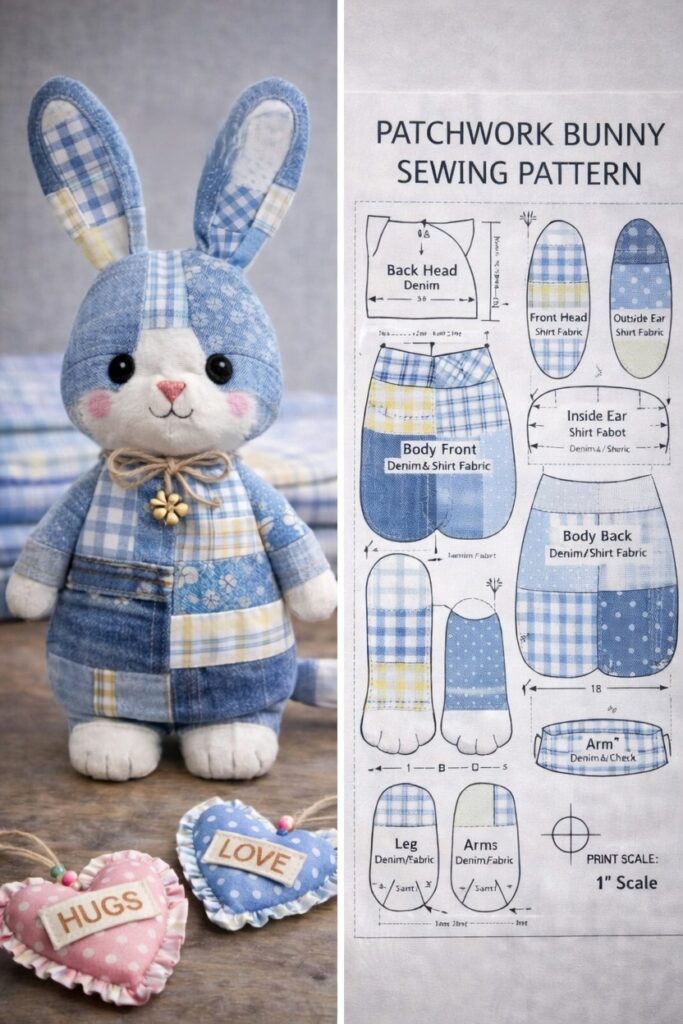
Patchwork rabbit


The Cardinal Block is one of the most versatile and visually striking quilt blocks in the world of patchwork. Whether you are a beginner taking your first steps into quilting or an experienced artisan looking to expand your creative repertoire, this block offers a perfect balance of structure, contrast, and artistic expression. Its bold geometric composition and dynamic color interplay make it a favorite among quilting enthusiasts worldwide.
Beyond its visual appeal, the Cardinal Block represents the essence of traditional quilting: precision, creativity, and storytelling through fabric. Each carefully cut triangle and square contributes to a larger design that reflects both heritage and innovation. Quilters often choose this block not only for its beauty but also for the technical skill it helps develop, including accurate cutting, seam alignment, and color coordination.
In modern quilting, the Cardinal Block has evolved from a classic pattern into a versatile design element used in both traditional and contemporary projects. Its adaptability allows it to be incorporated into minimalist décor, rustic farmhouse aesthetics, and even bold modern layouts. This flexibility ensures that the Cardinal Block remains relevant in today’s creative textile landscape.
Additionally, the growing interest in handmade crafts and sustainable design has renewed appreciation for classic quilt blocks like the Cardinal Block. As more people seek meaningful, handcrafted pieces for their homes, this timeless design continues to stand out as both elegant and impactful.
The Cardinal Block is a traditional quilt block composed of geometric units arranged to create a strong visual effect. Its name is inspired by the cardinal bird, known for its vibrant red plumage and striking presence. In many quilt designs, bold red fabrics are paired with light or neutral backgrounds to evoke the image of a cardinal against a natural setting.
Structurally, the Cardinal Block typically combines half-square triangles, squares, and sometimes flying geese units. The careful placement of light and dark fabrics creates movement and depth, giving the block a sense of energy. This interplay of contrast is what makes the design visually captivating.
One of the key strengths of the Cardinal Block is its versatility. It can be constructed in various sizes and integrated into larger quilt compositions. Whether used as a repeating pattern across an entire quilt or as a focal point within a mixed-block design, it consistently delivers strong visual impact.
Traditional quilt blocks often originated from practical needs, particularly the desire to reuse fabric scraps efficiently. Over time, these practical designs evolved into meaningful artistic expressions. The Cardinal Block follows this tradition, blending functionality with symbolism.
Although its exact origins are difficult to trace, the block gained popularity through quilting publications and community sharing during the twentieth century. Its association with the cardinal bird adds symbolic depth. Cardinals are often linked to vitality, warmth, resilience, and renewal.
The vibrant red tones commonly used in the Cardinal Block symbolize strength and energy. When combined with soft creams, greens, blues, or subtle prints, the overall composition achieves a harmonious balance. This color symbolism makes the block especially popular in seasonal quilts, particularly during autumn and winter, though it adapts beautifully to year-round palettes.
Creating a Cardinal Block with a professional finish requires careful preparation and attention to detail. Precision in both cutting and sewing ensures that all components align perfectly.
Choosing the right fabrics is essential. Traditionally, quilters select:
A bold main fabric, often red or deep burgundy
A light or neutral background fabric
A complementary fabric for added depth
High-quality 100% cotton fabric is recommended due to its durability and ease of handling.
The block typically includes:
Squares
Half-square triangles
Additional geometric units depending on the variation
Using a rotary cutter, quilting ruler, and self-healing mat helps maintain accuracy. Precise measurements prevent distortion and ensure that the finished block meets size requirements.
Begin by sewing half-square triangles and pressing seams consistently in one direction. Consistent seam pressing reduces bulk and improves alignment. Lay out all pieces before final assembly to visualize the pattern and confirm correct placement.
Sew the rows together carefully, aligning intersections for sharp points and clean lines. Press the completed block thoroughly to set the seams. Double-check measurements before incorporating it into your quilt top.
Creating a beautiful Cardinal Block is just the beginning. Strategic design choices can enhance the overall impact of your finished piece.
Contrast is the foundation of this block’s visual appeal. Pair bold fabrics with light backgrounds to highlight the geometric design. Solid fabrics emphasize structure, while subtle prints add texture without overwhelming the pattern.
Making the Cardinal Block in varying sizes within the same project creates movement and modern appeal. This technique works especially well in wall hangings or contemporary quilt layouts.
The Cardinal Block pairs beautifully with patterns like Flying Geese, Log Cabin, or Sawtooth Star. Combining blocks adds visual complexity and transforms a simple design into a sophisticated composition.
The quilting itself can enhance the block’s geometry. Straight-line quilting reinforces structure, while free-motion quilting adds softness and artistic flair.
Patchwork has expanded far beyond traditional bed quilts. Today, the Cardinal Block is widely used in home décor and contemporary textile art.
Common applications include:
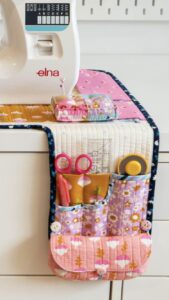
Table runners
Placemats
Decorative pillows
Wall art panels
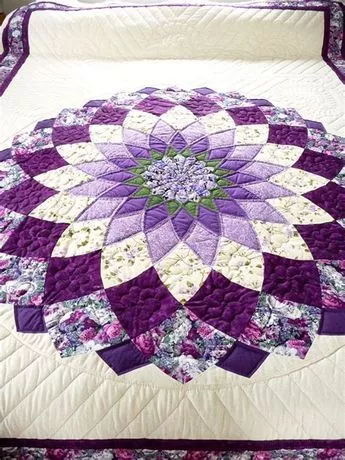
Full-sized quilts
Depending on the chosen color palette, the Cardinal Block can complement rustic, farmhouse, Scandinavian, or modern interior styles. Neutral tones create understated elegance, while bold color combinations make a dramatic statement.
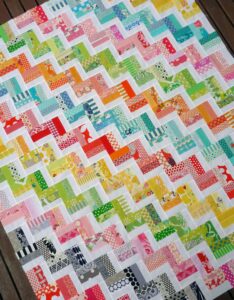
The rise of social media platforms has also influenced quilting trends. Modern reinterpretations of classic blocks using unexpected color palettes such as mustard, teal, olive green, and terracotta have brought fresh energy to traditional designs like the Cardinal Block.
For artisans who sell handmade items, incorporating this block into products can increase perceived value. Its strong structure and traditional roots communicate craftsmanship, care, and authenticity qualities that resonate deeply with buyers.
The enduring popularity of the Cardinal Block is rooted in its balance between tradition and innovation. It offers:
Visual impact
Design flexibility
Technical skill development
Adaptability to various styles
Timeless appeal
Quilters appreciate how the block challenges precision while still being approachable. It serves as both a learning tool and a canvas for creativity.
In an era where handmade artistry is increasingly valued, revisiting classic quilt blocks allows artisans to honor tradition while expressing individuality. The Cardinal Block continues to inspire creativity across generations, proving that strong geometric design and thoughtful color choices never go out of style.
The Cardinal Block is far more than a simple patchwork pattern. It represents the heart of quilting tradition while offering endless creative potential. Its structured geometry, bold contrast, and symbolic richness make it an ideal choice for both decorative and functional projects.
Whether you are designing a seasonal quilt, crafting home décor pieces, or creating heirloom-quality textiles, the Cardinal Block provides a foundation for meaningful artistry. By mastering its construction and experimenting with color and layout, you can transform this classic block into a stunning expression of your quilting vision.
Exploring the Cardinal Block is not only a technical exercise but also a celebration of textile heritage. Through thoughtful design and careful craftsmanship, this timeless quilt block continues to thrive in the modern world of patchwork.