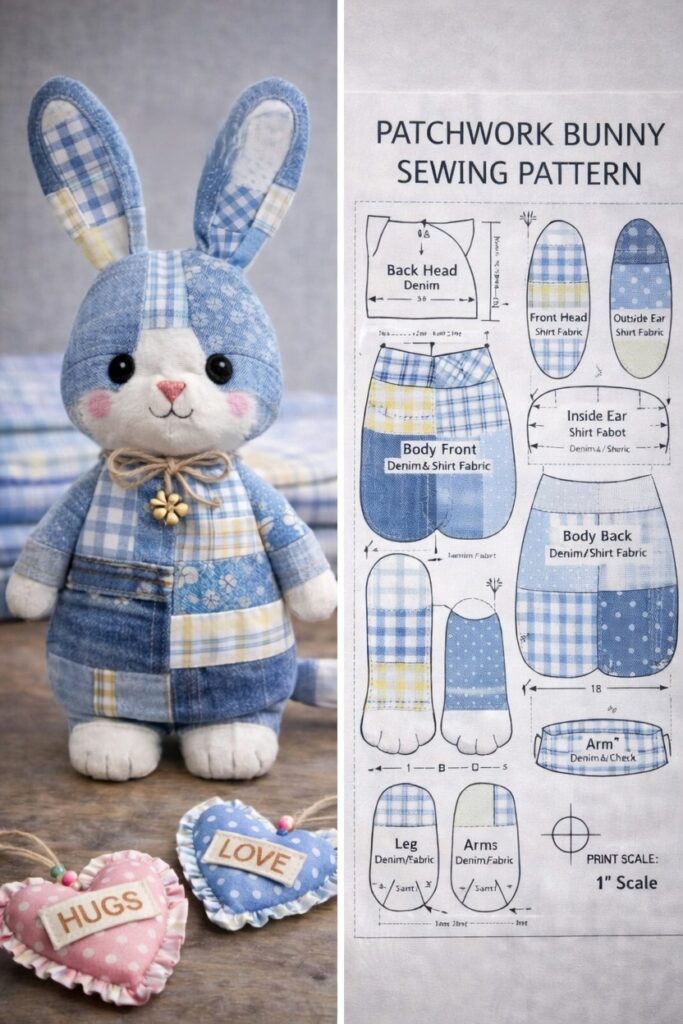
Patchwork rabbit


A sewing tool holder is an essential accessory for anyone who enjoys sewing, quilting, embroidery, or other fabric crafts. Keeping sewing tools organized can make a huge difference in productivity, comfort, and creativity. When tools are properly stored and easy to access, the sewing process becomes smoother and far more enjoyable.
Many sewing enthusiasts accumulate a wide variety of tools over time, including scissors, pins, needles, measuring tapes, thread spools, seam rippers, and marking tools. Without proper organization, these items can easily become scattered across the workspace, making it difficult to find what is needed when working on a project.
A sewing tool holder helps solve this problem by providing a practical and attractive way to keep tools neatly arranged. These organizers can be made from fabric, wood, plastic, or metal, and they come in many different styles designed to suit various sewing spaces.
Whether used in a professional sewing studio or a small craft corner at home, a sewing tool holder plays an important role in maintaining an efficient and inspiring environment for creativity.
Sewing projects require attention to detail and careful handling of materials. When tools are not organized, the sewing process can quickly become frustrating. A sewing tool holder helps eliminate clutter and ensures that every essential item has a designated place.
One of the main advantages of using a sewing tool holder is convenience. When tools are stored within reach, it becomes easier to move from one step of a project to another without unnecessary interruptions. For example, having scissors, pins, and measuring tools organized in a holder allows the sewer to focus fully on the creative process.
Another benefit is safety. Sewing tools such as needles, pins, and rotary cutters can be sharp and potentially dangerous if left loose on a table. A proper holder keeps these tools secure and reduces the risk of accidents.
A sewing tool holder also protects tools from damage. High quality sewing scissors, for example, should be stored carefully to maintain their sharpness. Keeping them in a dedicated holder prevents them from being misplaced or damaged by contact with other objects.
In addition to practicality, sewing tool holders can enhance the appearance of a workspace. Many crafters enjoy creating handmade holders using beautiful fabrics, decorative stitching, and creative designs that reflect their personal style.
There are many types of sewing tool holders available, each designed to meet different organizational needs. Choosing the right type depends on the size of the workspace, the number of tools being stored, and personal preferences.
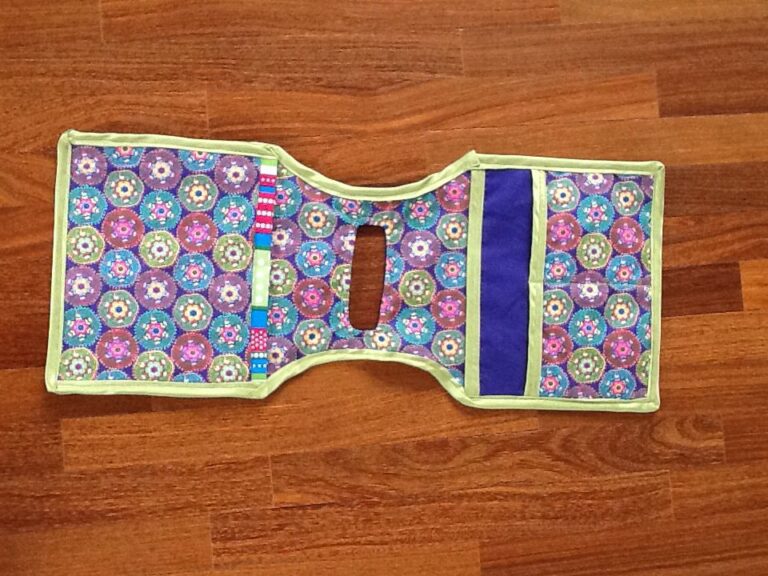
Fabric organizers are one of the most popular options among sewing enthusiasts. These holders are often handmade and can include multiple pockets for storing small tools. They may be designed to hang on a wall, attach to a sewing machine, or fold into a compact roll.
A fabric sewing tool holder is lightweight and flexible, making it easy to customize with different pocket sizes and layouts. Many crafters enjoy sewing their own organizers as part of a creative project.
Desktop holders are designed to sit on a sewing table or work desk. These organizers usually feature compartments for scissors, thread spools, seam rippers, and other frequently used tools.
This type of holder keeps essential tools visible and accessible while maintaining a clean and organized workspace.
A wall mounted holder is an excellent option for maximizing space in a sewing room. By storing tools vertically on the wall, this type of organizer frees up valuable table space.
Wall holders often include hooks, pockets, and shelves that allow tools to be displayed neatly while remaining easy to reach.
Portable organizers are ideal for people who travel with their sewing supplies or attend sewing classes and workshops. These holders may come in the form of zippered pouches, roll up tool kits, or compact cases.
They are designed to keep tools secure during transport while maintaining organization.
Selecting the right sewing tool holder depends on several important factors. Considering these elements can help ensure that the organizer meets both practical and aesthetic needs.
The first thing to consider is how many tools need to be stored. A beginner may only need a small holder for basic tools, while an experienced sewer may require a larger organizer with multiple compartments.
Evaluating the number and size of tools helps determine the appropriate holder size.
Tools should be easy to access during sewing projects. An effective sewing tool holder allows the user to quickly find and return items without interrupting the workflow.
Clear pockets, open compartments, and labeled sections can improve accessibility.
The materials used in a sewing tool holder should be strong enough to withstand regular use. Fabric organizers should be made with durable stitching, while wooden or plastic holders should have solid construction.
Choosing high quality materials ensures the organizer will last for many years.
A sewing space is often a place of creativity and inspiration. Many crafters enjoy selecting holders that reflect their personality through colors, patterns, or decorative details.
A visually appealing organizer can make the sewing area more inviting and enjoyable.
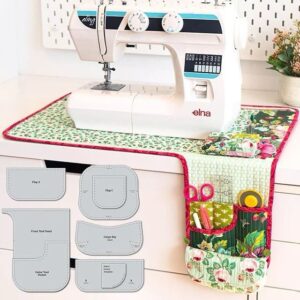
One of the most exciting aspects of sewing tool holders is that they can easily be made at home. DIY sewing organizers allow crafters to design storage solutions that perfectly match their needs and style.
A popular DIY project is a roll up sewing tool holder. This design features several pockets sewn onto a rectangular piece of fabric. Tools are placed in the pockets, and the fabric is rolled up and tied with ribbons or straps for easy storage.
Another creative idea is a hanging fabric organizer. By sewing pockets onto a fabric panel and adding loops or hooks, the organizer can be hung on a wall or behind a door. This design keeps tools visible and saves desk space.
Some people also create sewing machine organizers that attach directly to the side of a sewing machine. These small holders provide convenient storage for scissors, thread snips, and seam rippers while working.
Upcycling materials is another creative approach. Old denim jeans, canvas bags, or fabric scraps can be transformed into unique sewing tool holders. This not only reduces waste but also adds a personal touch to the sewing space.
DIY projects allow complete customization, making it possible to design organizers with exactly the right number of pockets, compartments, and decorative details.
A sewing tool holder is a valuable addition to any sewing workspace. By keeping tools organized, accessible, and protected, it helps create a more efficient and enjoyable crafting experience.
From simple fabric organizers to wall mounted storage systems, sewing tool holders come in many different styles to suit various needs. They not only improve functionality but also enhance the overall appearance of a sewing area.
For many sewing enthusiasts, creating a custom tool holder can be a rewarding project that combines practicality with creativity. Whether purchased or handmade, a well designed sewing tool holder makes it easier to focus on what truly matters: bringing beautiful sewing projects to life.