Folding floor armchair with cushion.


A surgical cap is a simple yet essential piece of medical clothing used in hospitals, clinics, and surgical environments. Its main purpose is to maintain hygiene and prevent hair from contaminating sterile areas during medical procedures. Over time, surgical caps have also become a popular sewing project for people who enjoy creating useful handmade items. Learning through a surgical cap tutorial allows anyone with basic sewing knowledge to produce comfortable, practical, and reusable caps.
Medical professionals such as surgeons, nurses, dentists, and technicians rely on surgical caps daily. These caps help maintain a clean environment while also providing comfort during long hours of work. Unlike disposable caps, handmade surgical caps are often made from soft cotton fabric that allows the scalp to breathe while keeping hair securely covered.
A surgical cap tutorial is especially helpful for beginners who want to start sewing functional items. The project is relatively simple compared to other clothing patterns. It requires basic sewing tools, minimal fabric, and straightforward construction techniques. Because of this, many people choose surgical caps as their first sewing project.
Another reason the surgical cap tutorial has become popular is the opportunity for customization. Handmade caps can be created with different colors, patterns, and sizes to suit individual preferences. Many healthcare workers enjoy wearing caps that reflect their personality or bring a bit of color into the workplace. This makes surgical cap sewing both practical and creative.
The growing demand for comfortable and reusable medical clothing has increased interest in learning how to make surgical caps. People who follow a detailed surgical cap tutorial can create high quality caps that are both durable and comfortable.
Before starting a surgical cap tutorial, it is important to gather the right materials and tools. Having everything prepared makes the sewing process easier and more efficient. Fortunately, making a surgical cap does not require many complicated supplies.
The most common fabric used in surgical caps is cotton. Cotton fabric is breathable, lightweight, and easy to sew. It also holds its shape well after multiple washes, which is important for medical clothing that needs to be cleaned frequently. Many people choose printed cotton fabrics with colorful designs, while others prefer solid colors for a more professional appearance.
Thread is another important material. A strong polyester thread is often recommended because it provides durability and resists wear during washing. Matching the thread color with the fabric can create a clean and professional finish.
Basic sewing tools are also necessary. A sewing machine is the most convenient tool for assembling a surgical cap, although some people prefer hand sewing. Sharp fabric scissors ensure clean and accurate cuts, while pins or clips help hold fabric pieces together before stitching.
A measuring tape is useful for ensuring the surgical cap fits properly. Since head sizes vary, some surgical cap tutorials include adjustable features such as elastic bands or fabric ties. These adjustments allow the cap to fit comfortably without being too tight or too loose.
Elastic bands are commonly used in the back of the cap to provide flexibility. Alternatively, fabric ties can be added to allow the wearer to adjust the cap manually. Both options are popular in different surgical cap tutorial styles.
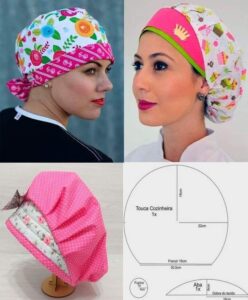
Having the right materials prepared in advance helps create a smoother sewing experience. With simple tools and quality fabric, anyone can successfully follow a surgical cap tutorial and produce a professional looking cap.
Following a surgical cap tutorial step by step allows beginners to complete the project with confidence. The process typically involves cutting fabric pieces, assembling them correctly, and sewing them together to form the final cap shape.
The first step in a surgical cap tutorial is preparing the pattern. Many patterns include a rounded top piece and a side band that wraps around the head. The pattern pieces are placed on the fabric and traced carefully before cutting. Precision in cutting helps ensure the cap fits properly when finished.
Once the fabric pieces are cut, the next step is assembling the cap. The top section is usually sewn to the side band, forming the basic structure of the cap. Pins or sewing clips help hold the fabric in place while stitching. Sewing slowly and evenly helps maintain smooth seams.
After attaching the top piece, attention shifts to the back portion of the cap. If the design includes elastic, a small casing is sewn to hold the elastic band. The elastic is then threaded through the casing and secured with stitches. This creates a flexible fit that adapts to different head sizes.
For surgical caps that use fabric ties, long strips of fabric are sewn and attached to the sides of the cap. These ties allow the wearer to secure the cap by tying them at the back of the head. Many medical professionals prefer this design because it offers adjustable comfort.
The final step in the surgical cap tutorial is finishing the edges. A folded hem or bias tape can be used to create clean edges and prevent fraying. Pressing the cap with an iron gives it a polished appearance and helps the seams lie flat.
After completing these steps, the surgical cap is ready for use. The finished product is lightweight, comfortable, and washable. Many people enjoy making multiple caps in different colors or patterns once they learn the basic surgical cap tutorial technique.
Learning how to follow a surgical cap tutorial offers many benefits beyond simply making a cap. One of the biggest advantages is the ability to create practical items that serve a real purpose in healthcare environments. Handmade surgical caps provide comfort and durability while maintaining hygiene standards.
Another benefit of a surgical cap tutorial is the opportunity to improve sewing skills. Beginners can practice essential techniques such as cutting patterns, sewing curved seams, and finishing edges. These skills are useful for many other sewing projects in the future.
Surgical cap sewing is also a cost effective alternative to purchasing ready made caps. By using affordable cotton fabric, it is possible to produce multiple caps at a lower cost. This is particularly helpful for healthcare workers who need several caps for regular use.
Creativity is another reason many people enjoy following a surgical cap tutorial. Fabric choices allow endless customization options. Some people prefer simple neutral colors, while others enjoy vibrant prints with flowers, animals, or geometric designs. This variety adds personality to everyday medical clothing.
For people interested in handmade crafts or small businesses, surgical caps can also become a profitable product. Many healthcare professionals prefer unique, comfortable caps made by independent creators. As a result, handmade surgical caps often have strong demand in craft markets and online stores.
Finally, sewing surgical caps can be a meaningful way to support healthcare workers. Handmade caps can be donated or gifted to hospitals, clinics, and medical staff. These small gestures can bring comfort and appreciation to professionals who dedicate their time to caring for others.
A well structured surgical cap tutorial makes the entire process simple and enjoyable. With the right materials, patience, and creativity, anyone can learn to sew high quality surgical caps. This practical project combines functionality, creativity, and skill development, making it a rewarding activity for beginners and experienced sewists alike.