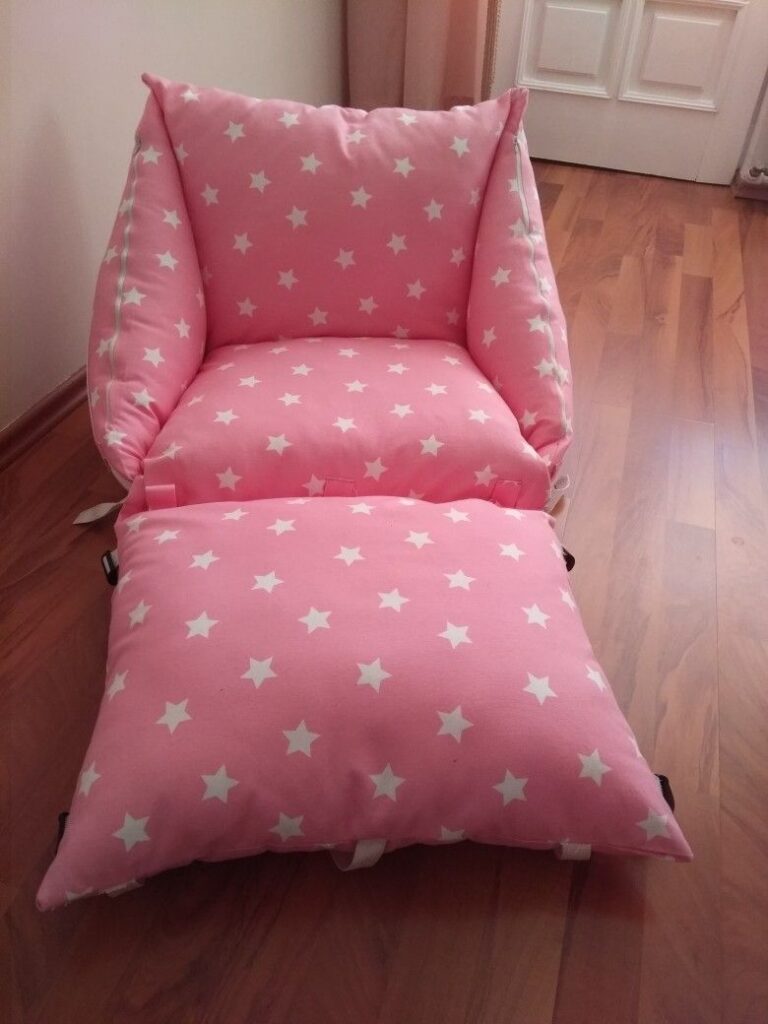
Folding floor armchair with cushion.


Decorative bows have always carried a unique charm that transcends trends, generations, and cultures. From handcrafted fabric bows to delicate decorative accents used in home décor, fashion, and handmade crafts, charming bows represent more than simple adornments. They symbolize care, creativity, affection, and the timeless beauty of handcrafted details. In recent years, charming bows have gained renewed popularity, especially within the handmade and artisanal world, where authenticity and emotional connection matter more than mass production.
The appeal of charming bows lies in their versatility. They can be elegant or playful, minimal or elaborate, modern or nostalgic. Whether applied to children’s accessories, gift wrapping, home décor items, or textile art, bows instantly add warmth and personality. Their presence transforms ordinary objects into meaningful pieces that tell a story, evoke memories, and reflect personal style.
In this article, we explore the universe of charming bows, their artistic value, creative applications, emotional significance, and why they remain a strong trend in handmade crafts and decorative design.
Charming bows have a long-standing presence in decorative arts and fashion history. Their form is simple, yet their impact is powerful. A bow is often associated with celebration, care, and intentional beauty. It is not merely tied; it is crafted. This distinction is what gives bows their emotional resonance.
Throughout history, bows have been used to symbolize elegance and refinement. In clothing, they have adorned dresses, shoes, hats, and accessories. In home décor, they appear on pillows, curtains, wreaths, and decorative textiles. In gift presentation, a bow signifies thoughtfulness and anticipation, turning a simple package into something special.
The enduring charm of bows comes from their ability to adapt. Fabric choice, size, texture, and color all influence the mood they create. Soft pastel bows evoke tenderness and calm, while bold, structured bows communicate confidence and statement design. Floral prints bring a romantic touch, while neutral fabrics convey sophistication.
In handmade crafts, charming bows stand out because they carry the mark of the artisan’s hands. Each fold, stitch, and knot reflects intention. This human element creates emotional value that cannot be replicated by factory-made items. People are drawn to bows not only because they are visually appealing, but because they feel personal and meaningful.
One of the greatest strengths of charming bows is their versatility in creative applications. They can be used across a wide range of handmade projects, adapting seamlessly to different styles and purposes. In textile crafts, bows often serve as focal points, adding dimension and softness to finished pieces.
In children’s accessories, charming bows are especially popular. Hair bows, clothing embellishments, and decorative accents on bags or blankets bring a sense of innocence and joy. Parents are drawn to these details because they combine beauty with emotional warmth, making everyday items feel special and carefully made.
Home décor is another space where charming bows shine. Fabric bows can elevate table settings, seasonal decorations, pillows, wall hangings, and quilts. They add a handcrafted touch that creates a welcoming and cozy atmosphere. In decorative themes such as rustic, cottage, vintage, or shabby chic, bows play a central role in expressing softness and charm.
Charming bows are also widely used in gift presentation and celebratory décor. Handmade bows made from fabric or ribbon add value and uniqueness to gifts. Unlike disposable bows, reusable handmade bows become keepsakes, reinforcing sustainable and conscious consumption. They transform the act of giving into an experience rooted in care and intention.
For artisans and small businesses, charming bows offer creative flexibility. A single bow design can be adapted in countless ways by changing fabrics, sizes, or finishes. This makes bows ideal for collections, seasonal launches, and personalized orders, all while maintaining a consistent brand identity.
The beauty of charming bows is deeply influenced by the materials and techniques used in their creation. Fabric selection plays a crucial role in defining the final look and feel. Cotton fabrics are widely used due to their softness, durability, and wide variety of prints. Linen offers a natural, textured appearance, while satin and velvet create a more refined and luxurious effect.
Patterns such as florals, polka dots, and subtle illustrations enhance the charm and visual interest of bows. Pastel tones are especially popular, as they convey delicacy and warmth. However, earthy tones and neutral palettes are increasingly appreciated for their timeless and versatile appeal.
Construction techniques also make a significant difference. Hand-sewn bows often have a softer, more organic appearance, while machine-sewn bows offer precision and structure. Quilted bows add texture and dimension, making them stand out as statement pieces. The way the center knot is finished, whether wrapped, stitched, or tied, contributes to the overall harmony of the design.
Attention to detail is what transforms a simple bow into a charming one. Clean edges, balanced proportions, and thoughtful finishing elevate the piece. When artisans focus on quality rather than speed, the result is a bow that feels intentional and refined.
The handmade process itself adds value. Each bow becomes unique, even when following the same pattern. This individuality is highly appreciated by consumers who seek authenticity and emotional connection in the items they bring into their homes or gift to loved ones.
Charming bows endure because they connect beauty with emotion. In a fast-paced world dominated by mass production, people increasingly seek objects that feel personal and meaningful. Bows represent care, patience, and creativity, values that resonate deeply with those who appreciate handmade craftsmanship.
Their visual softness and familiar shape evoke comfort and nostalgia. Many people associate bows with childhood memories, family traditions, and special moments. This emotional layer makes charming bows more than decorative elements; they become symbols of affection and intentional living.
From a design perspective, bows are timeless. They transcend trends while remaining adaptable. Whether incorporated into modern minimalist designs or classic decorative styles, bows maintain their relevance. Their simplicity allows them to blend seamlessly while still making an impact.
For artisans, charming bows offer a way to express creativity while creating products that genuinely resonate with people. For consumers, they offer an opportunity to surround themselves with objects that feel warm, thoughtful, and authentic.
In essence, charming bows are a celebration of detail. They remind us that small elements can make a big difference, that beauty often lies in simplicity, and that handcrafted touches carry stories worth preserving. This is why charming bows continue to enchant, inspire, and hold a special place in the world of handmade design.
Sharing the pattern in the video tutorial in Portuguese, but just put the subtitles.