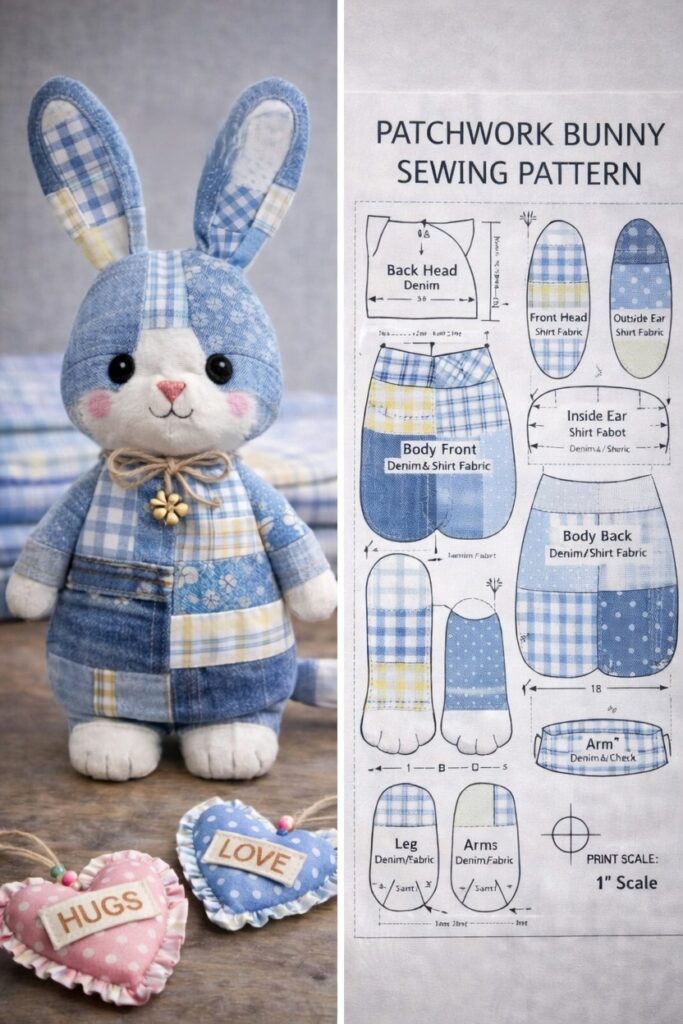
Patchwork rabbit


The Standard Rail Fence is one of the most recognizable fencing styles in rural and countryside landscapes. Known for its simplicity, durability, and natural charm, this type of fence has been used for centuries to define property boundaries, contain livestock, and enhance the aesthetic appeal of farms and homes. Its classic design, typically made with horizontal rails supported by evenly spaced posts, creates an open yet structured boundary that blends beautifully with natural surroundings.
In modern landscaping and property design, the Standard Rail Fence remains a popular choice because of its versatility and traditional look. Whether used on farms, ranches, gardens, or residential properties, this fencing style offers both practical benefits and visual appeal.
Below, we explore the history, structure, benefits, and modern uses of the Standard Rail Fence, helping you understand why it continues to be a preferred fencing solution across many regions.
The Standard Rail Fence has deep historical roots, especially in rural communities and agricultural settings. Early farmers needed a practical and cost effective way to contain animals and mark land boundaries. Because wood was widely available in many regions, it became the primary material used for fencing.
In early American history, farmers built simple fences using logs or wooden rails stacked horizontally between upright posts. These fences were not only functional but also easy to repair and expand. Over time, the design evolved into what we now call the Standard Rail Fence.
This fencing style became especially common in rural landscapes, where large properties required long stretches of fencing. The open design allowed farmers to monitor animals easily while still providing a clear boundary line.
Today, the Standard Rail Fence remains strongly associated with countryside living, horse farms, ranches, and traditional estates. Its rustic appearance continues to evoke a sense of heritage and natural simplicity.
One of the main reasons the Standard Rail Fence remains popular is its simple yet effective design. The fence typically consists of vertical posts placed at regular intervals with horizontal rails attached between them.
Most Standard Rail Fences are built with two, three, or four horizontal rails depending on the desired height and purpose. A two rail fence may be used mainly for decorative boundaries, while three or four rails provide stronger containment for animals such as horses or cattle.
The posts are usually set firmly into the ground to provide stability and long term durability. The rails are then attached to the posts using traditional joinery, brackets, or screws depending on the construction method.
Common materials used in Standard Rail Fence construction include:
Cedar wood
Pine wood
Oak wood
Pressure treated lumber
Vinyl alternatives designed to mimic wood
Wood remains the most traditional and widely used material because it offers a natural look that blends well with outdoor environments. However, modern homeowners sometimes choose vinyl rail fences because they require less maintenance.
The spacing between rails and posts is carefully planned to ensure structural stability and visual balance. This straightforward design makes the fence easy to install and maintain over time.
There are many reasons why property owners continue to choose the Standard Rail Fence. Its combination of functionality, durability, and classic style makes it an excellent option for various applications.
The Standard Rail Fence is widely appreciated for its rustic and natural beauty. Unlike solid fences that block the view, this open design enhances landscapes by framing the surroundings rather than hiding them.
This feature makes it ideal for rural homes, farms, gardens, and scenic properties where preserving the view is important.
Compared to many modern fencing styles, the Standard Rail Fence is often more affordable to build and install. Because the design uses fewer materials than solid fences, the overall cost can be lower.
Additionally, the simple structure reduces labor requirements during installation.
Another advantage of this fence style is its versatility. It can be used in a variety of settings including:
Horse farms and ranches
Residential properties
Garden boundaries
Driveway borders
Parks and recreational areas
The fence can also be combined with wire mesh if additional containment is required for smaller animals.
A Standard Rail Fence is relatively easy to maintain. If a rail becomes damaged due to weather or impact, it can typically be replaced without dismantling the entire structure.
Routine maintenance may include:
Inspecting posts and rails
Replacing damaged wood
Applying protective sealants or stains
With proper care, a wooden rail fence can last many years while maintaining its attractive appearance.
Although the Standard Rail Fence originated as a practical agricultural structure, it is now widely used in modern landscape design. Homeowners and property developers appreciate its ability to create defined spaces while preserving an open and welcoming atmosphere.
In residential landscapes, the Standard Rail Fence is often used as a decorative border. It can frame gardens, walking paths, or lawns without creating a closed off feeling.
The fence complements natural elements such as trees, flowers, and grass, making it a perfect choice for properties that emphasize outdoor beauty.
For large properties or rural homes, the fence serves as an effective boundary marker. It clearly outlines property lines while maintaining a friendly and unobtrusive appearance.
Unlike tall privacy fences, the rail fence allows neighbors and passersby to see through it, contributing to a more open and community oriented environment.
Many farms and ranches still rely on the Standard Rail Fence to manage animals. Horses, in particular, are often kept within rail fences because the horizontal rails are highly visible and safe compared to thin wire fencing.
For added security, some property owners install mesh or electric lines along the rails.
The Standard Rail Fence is also commonly used along driveways or property entrances. When combined with gates, stone pillars, or landscaping features, it creates an elegant and welcoming entrance.
This design approach enhances curb appeal and adds character to the property.
Setp by step Standard Rail Fence
The Standard Rail Fence remains one of the most enduring fencing styles in both rural and residential landscapes. Its simple structure, natural materials, and timeless appearance make it a practical and visually pleasing choice for many property owners.
From its historical role on farms and ranches to its modern use in landscaping and property design, the Standard Rail Fence continues to offer a perfect balance of functionality and beauty.
Whether you are defining property boundaries, enhancing outdoor spaces, or creating a traditional countryside look, this fencing style provides a reliable and attractive solution. Its durability, affordability, and classic charm ensure that the Standard Rail Fence will remain a valued part of landscape design for generations to come.